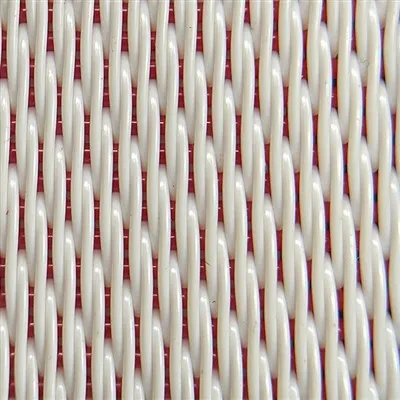
In the realm of industrial waste management, the dewatering process plays a pivotal role in reducing the volume of sludge and facilitating its proper disposal or further treatment. Among the various tools and technologies available for sludge dewatering, polyester sludge dewatering belts have emerged as a reliable and efficient solution. As a leading supplier of [Polyester Sludge Dewatering Belt], I am excited to share insights on how to optimize the dewatering process using these high - performance belts.
Understanding the Basics of Polyester Sludge Dewatering Belts
Polyester sludge dewatering belts are made from high - quality polyester materials. These belts are designed with a specific mesh structure that allows for effective separation of water from sludge. The unique properties of polyester, such as its high tensile strength, chemical resistance, and durability, make it an ideal material for dewatering applications.
The dewatering process typically involves three main stages: gravity drainage, low - pressure dewatering, and high - pressure dewatering. During gravity drainage, the sludge is placed on the dewatering belt, and the water starts to drain out under the force of gravity. This initial stage removes a significant amount of free water from the sludge.
In the low - pressure dewatering stage, the belt passes through a series of rollers that apply gentle pressure to the sludge, further squeezing out the water. Finally, in the high - pressure dewatering stage, more intense pressure is applied to remove the remaining water, resulting in a drier sludge cake.
Factors Affecting the Dewatering Process
Several factors can influence the efficiency of the dewatering process when using polyester sludge dewatering belts.
Sludge Characteristics
The nature of the sludge itself is a crucial factor. Different types of sludge, such as municipal sludge, industrial sludge, or mining sludge, have different physical and chemical properties. For example, the particle size distribution, viscosity, and organic content of the sludge can significantly affect the dewatering performance. Sludges with a high organic content may be more difficult to dewater compared to those with a lower organic content.
Belt Selection
Choosing the right polyester dewatering belt is essential for optimizing the dewatering process. The belt's mesh size, porosity, and surface characteristics should be carefully considered based on the specific requirements of the sludge. A belt with a too - fine mesh may cause clogging, while a belt with a too - coarse mesh may allow fine particles to pass through, reducing the dewatering efficiency.
For more information on different types of polyester dewatering belts, you can visit our website to explore Polyester Sludge Dewatering Mesh, Woven Press Filter Belts, and Polyester Mesh Belts For Belt Filter Press.
Operating Conditions
The operating conditions of the dewatering equipment also play a vital role. The speed of the belt, the pressure applied during dewatering, and the temperature of the sludge can all impact the dewatering efficiency. For instance, a higher belt speed may reduce the contact time between the sludge and the belt, resulting in less water being removed. On the other hand, applying too much pressure can cause the belt to wear out more quickly or damage the sludge structure.
Optimization Strategies
Pre - treatment of Sludge
Pre - treating the sludge before dewatering can significantly improve the dewatering performance. One common pre - treatment method is chemical conditioning. By adding flocculants or coagulants to the sludge, the fine particles in the sludge can be aggregated into larger flocs, which are easier to separate from the water. This not only improves the dewatering efficiency but also reduces the risk of belt clogging.
Another pre - treatment option is thermal treatment. Heating the sludge can reduce its viscosity and improve the mobility of water within the sludge, making it easier to remove. However, thermal treatment requires additional energy and equipment, so it should be carefully evaluated based on the specific situation.
Proper Belt Maintenance
Regular maintenance of the polyester dewatering belt is crucial for ensuring its long - term performance. This includes cleaning the belt regularly to remove any accumulated sludge or debris. A clean belt allows for better water drainage and reduces the risk of clogging.
Inspecting the belt for any signs of wear or damage is also important. If the belt is damaged, it should be replaced promptly to avoid any disruptions in the dewatering process. Additionally, lubricating the rollers and other moving parts of the dewatering equipment can help reduce friction and extend the lifespan of the belt.
Process Monitoring and Control
Implementing a comprehensive process monitoring and control system is essential for optimizing the dewatering process. This system can monitor key parameters such as belt speed, pressure, and moisture content of the sludge cake. By continuously analyzing these parameters, operators can make real - time adjustments to the process to ensure optimal performance.
For example, if the moisture content of the sludge cake is higher than expected, the operator can adjust the belt speed or the pressure applied during dewatering to improve the dewatering efficiency. Similarly, if the belt is showing signs of clogging, the cleaning frequency can be increased.


Case Studies
To illustrate the effectiveness of optimizing the dewatering process using polyester sludge dewatering belts, let's look at a few case studies.
In a municipal wastewater treatment plant, the use of a properly selected polyester dewatering belt, combined with chemical pre - treatment, resulted in a significant reduction in the moisture content of the sludge cake. The plant was able to achieve a moisture content of less than 60%, compared to the previous average of 70%. This not only reduced the volume of sludge for disposal but also saved on transportation and disposal costs.
In an industrial manufacturing facility, the implementation of a process monitoring and control system for the dewatering process led to a 20% increase in dewatering efficiency. By continuously adjusting the operating parameters based on the real - time data, the facility was able to improve the quality of the sludge cake and reduce the overall energy consumption.
Conclusion
Optimizing the dewatering process using polyester sludge dewatering belts is a multi - faceted approach that involves understanding the sludge characteristics, selecting the right belt, pre - treating the sludge, maintaining the belt, and implementing a process monitoring and control system. By following these strategies, industries can achieve higher dewatering efficiency, reduce the volume of sludge for disposal, and save on costs.
If you are interested in learning more about our [Polyester Sludge Dewatering Belt] products or have any questions regarding the dewatering process, we encourage you to contact us for a detailed discussion. Our team of experts is ready to assist you in finding the best solution for your specific needs.
References
- Smith, J. (2018). Advances in Sludge Dewatering Technology. Journal of Environmental Engineering, 144(5), 04018023.
- Johnson, A. (2019). Polyester Materials in Industrial Filtration. Filtration Science Review, 25(3), 123 - 135.
- Brown, C. (2020). Process Optimization in Sludge Dewatering. Waste Management Journal, 30(2), 210 - 221.